

1. The struggles with faith for healing
1.1 Introduction
Today, there is much controversy regarding divine healing, amongst other spiritual issues, as some people believe in divine healing and others do not. This is understandable as we all have different characters and different levels of faith based on how we have understood and adapted our lives to the Word of God. There are many incidents or proven cases where God has healed, and many where God has not, but is it because God has not, or is it because of our lack of faith in healing, or something else? There are many reasons for why we do not get healed besides unbelief, such as, God may be dealing with us for readiness in some issue, or waiting for us to confess sin or address disobedience (Hebrews 12:5-8), or to increase our faith in some matter, and all we need to do is to submit to God, obey what He told us to do, and hold on to our faith in the Word (Jesus) until the readiness or disciplinary period is over, unless we give up thereby ensuring that healing never transpires. This applies to any blessing or anointing, not just healing. Of course, we must understand our situation and that we are in fact in that period of discipline and not ignoring the fact that we are merely suffering for being disobedient or sinning without realising it, otherwise we will not understand that we need to repent and start walking by the spirit for renewing our hearts and minds, lest we give up. When we give up, we cannot prove or disprove the validity of divine healing. Giving up, however, is not the only reason for not receiving a blessing, but also when we complain inwardly (covertly) or outwardly (overtly).
Hebrews 12:5-8
5 And ye have forgotten the exhortation which speaketh unto you as unto children, My son, despise not thou the chastening of the Lord, nor faint when thou art rebuked of him:
6 For whom the Lord loveth he chasteneth, and scourgeth every son whom he receiveth.
7 If ye endure chastening, God dealeth with you as with sons; for what son is he whom the father chasteneth not?
8 But if ye be without chastisement, whereof all are partakers, then are ye bastards, and not sons.
Remember when the Israelites complained, they eventually died unless someone stood in the gap for them like Moses or Aaron who put a brass snake on a pole for their healing. The pole and snake symbolised the cross of Christ and therefore the one (Jesus) made sin for us so that we may be the righteousness of God. That’s why we must look and meditate on what Jesus did for us at the cross in spirit and truth when we desire healing, just as they looked at the pole and got healed. Of course, in the dispensation of the law, they did it merely by looking at the pole in obedience to God’s command, whereas we need to do it in spirit and truth, where we know with heartfelt faith that Jesus finished it for us at the cross by providing for our healing. In the dispensation of the law, they could not do it in spirit and truth because they did not have the indwelling spirit, therefore, only their outward sin or disobedience was dealt with which is why they always needed at least two witnesses, but today, because we have the indwelling Holy Spirit, making us the temple of God, our thoughts are also dealt with, i.e. it is no use speaking in faith outwardly to our audience, and yet inwardly lying or still being frustrated regarding our situation because it cancels out our healing or blessing, i.e. murmuring about our situation is either discontentment or fear and thus we lose our blessing because it is not of faith. Remember, being born-again is not just about outward appearances through the flesh and our speech, but also what we truly believe inwardly in our hearts (spirit), which is why we only receive answered prayers when we do it in spirit and truth (the heart-felt truth), just like we only feel the presence of God when we worship in spirit and truth. In other words, our thoughts and beliefs must match our speech or actions. This is why, when Jesus spoke in the Beatitudes, He not only tightened (made more difficult) Moses’s overt laws but also included covert sinful thoughts, therefore, Jesus expanded Moses’s concessionary laws to include the truth of God’s laws. In other words, Jesus had a far more difficult set of laws to fulfil than what Moses’s law demanded as Moses was not given the full truth of the law because of their hard hearts. Jesus knew that the thoughts coming from the heart (spirit) and our speech/actions must be in sync. As soon as they are out of sync, they (spirit of God and soul of man) disagree, however, when two walk together they are in sync or agreement. Spirit (God’s will for us) and soul (free will) being in sync based on God’s Word and based on how we are led by the Holy Spirit, is when we are “walking in the spirit” because God’s words are spirit and life, whereas our free will generally leads us into disobedience.
We must realise that God has already provided for our healing, regardless of the reasons as to why we are not healed, and thus we must be in a position to receive that healing, i.e. God has already done His part. Therefore, it can only be our lack of faith from various conditions or understanding of our situation that delays our healing. Our faith can be unknowingly disrupted through our circumstances where the spirit and the soul are not walking together, or in agreement/sync, often due to lack of knowledge, sin, or disobedience. Amos 3.3 refers to this dilemma, inferring that God does not walk with those that do not agree with Him.
Amos 3.3
Can two walk together, except they be agreed?
1.2 Life’s circumstances rob us of our faith
In today’s society, bad experiences, especially through any tribulation such as poverty, famine, disease, war, crime, or physical and mental health, can drive believers not only to disregard God’s physical and emotional healing, but also deliverance from bondage in any form of addiction or sin, and therefore turn to other means, thus wilfully or ignorantly ignoring God. The secular world seems to be the place where we “get-a-fix”, whether it is a doctor, phycologist or psychiatrist. Doctors are obviously needed, especially in times of urgency when we need something to take away the pain or to prevent impending death, and where our faith is not up to standard, but that does not necessarily mean that God does not heal today just because so many people, if not all, are going to doctors. Am I saying that God only heals if we have faith? No, but that is part of what will be discussed in this article. Nevertheless, when life does not seem to favour us, we must hold onto the Word of God Who will come through for us, but knowing and being led by the truth is essential as only the truth will set us free, (John 8:32).
John 8:32
And ye shall know the truth, and the truth shall make you free.
Do not be fooled, God understands why we go to doctors, or even take medicine. As we grow our faith in the Word, we are not yet perfected and thus doctors and medicine make a lot of sense until we grow in faith. I know pastors that say God will reject us, and therefore not heal us or deliver us if we take medicine, until they get sick and realise that they themselves are not perfect in faith, love, or truth. However, I believe that many Christians start to depend only on medicine and thus completely ignore God for their healing, and that puts them in a state of stagnation regarding faith. They will probably never be healed unless a prayer of faith or a man-of-God has the faith for them to be healed.
1.3 Legalism is not of faith
The law of Moses is holy, but it definitely robs us of our faith because the WOG is clear in that law is not of faith, Galatians 3:10-12. This is obvious because if we think we can fulfil the law, then we do not need faith in Jesus Who did it for us. I concur that legalism creates a huge barrier in our faith where we get so involved in our own goodness and righteousness to be seen as good Christians in the eyes of others that we forget that Jesus did it all, or we simply want to impress or draw people to us in our ability to be good people when in reality we are not, for all have sinned. We essentially become cursed because we have to keep up the pretense of fulfilling the law, instead of accepting our weaknesses and allowing the Word through study and practice, and holding onto faith, to change our hearts by the spirit and thus fulfilling the law, i.e. it’s knowing the Word, and thus, our relationship with God that changes our hearts to do the Father’s will because of His kindness/goodness and the price He paid for our salvation. Therefore, trying to fulfill the law by our own steam is in reality telling Jesus that He did it (fulfilled all righteousness) for nothing because we can defeat the devil without Him. Most legalists do not do this on purpose as they are ignorant of this, however, if they want to live by the law, they must keep the entire law because missing one aspect of law is to fail in all, not only in action but also in thought. I include thoughts because Jesus introduced laws regarding sinful thoughts and tightened up some physical laws in the Beatitudes (Matthew 5, 6 and 7). The reason thoughts were introduced is that we no longer need to live by the flesh to fulfil the laws, but rather, we should live by the Word and the Holy Spirit Who dwells within us and assists us in a change of heart but also hears our sinful thoughts as we occupy the same temple. Of course, confession is always a lifesaver, but if we practice sin and do not confess, we remain unrighteous for those sins through the soul, even though we are righteous through faith in Jesus because our spirit sits in heavenly places and does not sin, 1 John 3:4.
Galatians 3:10-12
10 For as many as are of the works of the law are under the curse: for it is written, Cursed is every one that continueth not in all things which are written in the book of the law to do them.
11 But that no man is justified by the law in the sight of God, it is evident: for, The just shall live by faith.
12 And the law is not of faith: but, The man that doeth them shall live in them.
1 John 3:4
Whosoever committeth sin transgresseth also the law: for sin is the transgression of the law.
We glorify ourselves when we implicitly or explicitly show off that we did good deeds for others, or when we somehow indicate that we keep the law, especially when we judge others for their sin as if we have none, and then have to maintain that position which is extremely difficult to do. Think about it in another way, it is the spirit of God in us that makes us who we are, the good we do is based on the spirit God placed in us, so He is the foundation or source of our knowledge and good deeds, and our evil deeds are based on our deviation from what God placed in our spirit, therefore, when we are glorifying ourselves through our good deeds, we usurp God’s glory. Then we wonder why our faith is not growing or God is not answering us. Although faith comes by hearing, lack of answers to prayers from God will dampen our hope and thus we may stray from the faith over time and may reject Christ who bought us. If you do not believe that believers can reject Jesus, read the whole chapter of 2 Peter 2 and realise that Peter was talking about Christians who had been bought by Christ and turned from the faith, or were false teachers or prophets indulging in their own desires. Peter was not speaking to unbelievers, and he is clear in that the utter depths of darkness are reserved for them (hell). The book of Jude supports this as well when he speaks about ungodly men that turned the grace of Jesus into a license for evil and who deny Jesus Christ. I believe that these believers were those that did not receive Jesus Christ through the heart unto righteousness, therefore, it suggests that a believer can lose their salvation, i.e. a believer that was not really interested but only for the benefits/blessings.
1.4 We are works in progress
Another reason for struggling with faith to receive healing is that we are works in progress as we wait for the hope of righteousness by faith to walk with God in this life or/and the next, (Galatians 5:4-5). We start off as novices (drinking the milk of the Word) and grow to maturity over time (eating the meat of Word) by hearing and doing the Word (Romans 10:17). We make mistakes in the process but by God’s grace, Who is greater than our heart, we can be set free by confessing sin or rectifying any disobedience to remove condemnation or guilt that prevents our soul from receiving healing. God has already provided for healing, but we need to receive it by asking God boldly with a clear conscience/heart, which is key. If we still have guilt after confession, we have not really believed in the freedom God has given us and thus need more time to learn and develop spiritually. Of course, an anointed man of God can always assist us with prayer for healing or a miracle. I believe that the closer we walk with God, the quicker our healing will come as long as we confess sins to remain in righteousness in our walk with God. Jesus’s words are spirit and life, John 6:63, which should bring us healing if we understand and remain in righteousness, remembering that all lawlessness is unrighteousness (1 John 5:17) and therefore confessing sin is wise.
Galatians 5:4-5
4 Christ is become of no effect unto you, whosoever of you are justified by the law; ye are fallen from grace.
5 For we through the Spirit wait for the hope of righteousness by faith.
Romans 10:17
So then faith cometh by hearing, and hearing by the word of God.
John 6:63
It is the spirit that quickeneth; the flesh profiteth nothing: the words that I speak unto you, they are spirit, and they are life.
1 John 5:17
All unrighteousness is sin: and there is a sin not unto death.
Although born-again believers are deemed “righteous” because they are in the spirit, we do not always “walk in righteousness” by the spirit. In other words, a believer’s spirit sits in heavenly places with Christ and does not sin and therefore the believer is righteous, however, our personal walk, which is based on the conscious mind (soul), alternates in and out of the spirit where sometimes we respond to situations based on the flesh (self-centered desires) and at other times based on the spirit (God’s will). This is mainly because of weaknesses in our character, lack of knowledge, or from bondage to some sinful nature we hold onto, which is why we wait for the hope of righteousness by the Spirit to change our hearts as we learn and do the Word. Most believers, if not all, will only achieve walking in righteousness without sinning in the next life when Jesus appears, nevertheless, a person is righteous and maintains their righteousness through faith in Jesus Christ and confession of sin, allowing for healing to take place.
Does this mean we can sin? No, we have died to sin when we gave our lives to Jesus Christ, therefore, sin that does occasionally come through is because of our weaknesses (I include lack of knowledge, fear, and bondage in weaknesses), based on circumstances that come against us in this world, sometimes ignorantly and sometimes knowingly. A true believer will have had a changed heart because their spirit is in heavenly places and therefore does not desire to sin, however, they realise they do not always have the strength to overcome sin and is always disappointed when they do sin, and thus confesses sin to release the soul from mental bondage to remain righteous in their walk, i.e. no condemnation because of what Jesus did on the cross. The way to release ourselves from bondage to committed sin is to know for sure that Jesus did (past tense) forgive all our sins, and when we confess our sins, we become free from guilt n our soul. If we are not set free from guilt or condemnation, it’s because we are evaluating our self-righteousness (convicted by the law) as we are still holding onto the law for performance, or to be seen as a good people, and the works Jesus did on the cross are not really foremost in our lives even though we think they are. We should also refrain from judging others for sin, but instead admonish the person with understanding, then we ourselves are not condemned when we sin. This is how God showed me how to be set free to me when I first became a Christian:
- When I became very angry at something (can’t remember the actual issue now) I felt in bondage to that anger and a heaviness came over me.
- I then heard God say in a voice from within me, “Jorge, get on your knees”, so I did.
- Then God said, “How often did I forgive the Israelites for disobeying me?”
- I then saw visions of wars between Israel and other nations. I guess God was showing me the repercussions of sin, but I never asked about the vision.
- Then I said, “Always Lord”.
- Then God said, “Just ask for forgiveness”
- I did and felt a heavy burden lifting off my mind/soul/shoulders. The freedom I felt was awesome and realised God forgives all sin.
Did that stop me from getting angry? No, I am not God, but with time, and realising God’s goodness and forgiveness, I became more thankful and slowly started to release my anger, and the concern I had for people that continuously lied, thereby causing my anger, became less important as I increasingly trusted God’s Word. The more we respond intuitively to a situation by the Word, the more we walk by the spirit of that Word because words are spirit and life or death, John 6:63. This is taking much longer to achieve than what I had expected because we have many conditions with various criteria to address, but I came to understand that God forgives all sin and that our soul must be set free through confession. Our spirit is already free when we become born again as it sits in heavenly places and is the only aspect of our triune nature that is fully saved and thus does not sin, i.e. our mind and body still need salvation at the reappearance of Jesus Christ, that’s why Christians are not fully saved until Jesus reappears to change our vile body into a spiritual body which is our crown of glory. Our mind is where we have free will, which is why we need to renew it if we desire salvation by not straying from the faith when Jesus reappears. But are we not saved just by believing? Yes, but we can still lose our salvation if we reject Jesus somewhere down the road. It is extremely difficult for a true believer, who has the Word in their heart, to lose their salvation because the Holy Spirit always brings us back, but it is possible if we turn from the faith. How would we do that? I do not know.
God has however healed young Christians who did not know the Word, as in myself and my wife when we became Christians, who had shortly before, contracted arthritis. In this case I believe God was spurring us on to believe in Him and thus our faith grew in leaps and bounds. We did however become very dedicated to God and His Word, and thus, as young Christians, we were excited and eager to do His will and spent most of our free time in church or the Word. With time, however, we tend to slow down in our eagerness as our faith is tested, and we recognised that the Christian life is not as plain sailing as anticipated. We need to always continue our walk in the eagerness for God, and the love for God and people, or else we might lose what we already have, and faith may dwindle. Nevertheless, when we start realising that God is training us in growing our faith, acceptance of the trials in this life become more bearable and we start to get eager once again, however, we must know that it is God training or disciplining us to reach a certain level of discipline and faith so that we can change course. If we are ignorant of this disciplinary period, we may not realise that the things coming against us are for our good, and thus we may sin out or rebellion or anger and suffer for the repercussions for that sin, even to the point denying Jesus Christ. You may ask, “But I thought God forgave our sin!”. He did, and we remain forgiven because we believe in Jesus, but unconfessed sin does not close doors to the enemy who tries to infiltrate our lives because sin affects our soul and our body, not our spirit though. I know, Paul tried to give someone to satan for the destruction of the flesh so that his spirit can be saved on the Lord’s Day. Please wait for the article, “Can we lose our salvation?” as the explanation required is quite involved and needs a fundamental understanding of the path to salvation before that scripture can be discussed, which is not appropriate here.
Then, if we are righteous through faith, but wait for the hope of righteousness by the spirit, whether in this life or the next, can we then lose our righteousness in this life? In other words, “waiting for the hope of righteousness by the spirit” seems to indicate that we may not end this life in righteousness even though we were righteous when we started our faith. Does this indicate that we can also lose our salvation because only the righteous will inherit the Kingdom of God? That has been affirmed above but needs to be expanded in another article, “Can we lose our salvation?”, but here I believe that Paul is not talking specifically about losing our salvation but waiting to walk in righteousness by the spirit as opposed to trying to become righteous by the letter of the law. Although we ARE righteous through faith in Jesus, to actually walk in righteousness by the spirit takes time as it requires a change of heart based on the Word through actively practising the Word and having a relationship with God. Think about how we grew up as children, learning and developing our character over time until today, through influencers and practical experiences; this is exactly the same thing, but by the Word of God and the Spirit. Both our conscious mind (soul) and subconscious mind (spirit of the mind) have to be renewed, (Romans 12: 2 & Ephesians 4:22-24). We can learn something through the conscious mind, but it does not become part of us until we practice it over and over again, until it becomes part of our subconscious mind (spirit of the mind) and we react to it instinctively, which is why Paul says that we must put on the new man in Colossians 3:10, and why I say the spirit and soul must be in sync.
Romans 12: 2
And be not conformed to this world: but be ye transformed by the renewing of your mind, that ye may prove what is that good, and acceptable, and perfect, will of God
Ephesians 4:22-24
22 That ye put off concerning the former conversation the old man, which is corrupt according to the deceitful lusts;
23 And be renewed in the spirit of your mind;
24 And that ye put on the new man, which after God is created in righteousness and true holiness.
Colossians 3:10
And have put on the new man, which is renewed in knowledge after the image of him that created him
1.5 Confession of sin
We have addressed confession of sin in some chapters above, but I believe one of the main reasons for lack of healing, besides faith, is bondage to unconfessed sin, either because we rebel in certain areas of our lives, or we are ignorant that we actually sinned. In other words, we are rebels or do not truly understand the WoG. It is not God that does not heal because Jesus has already provided healing and deliverance for believers when He said, “It is finished!” on the cross. It is our soul that does not receive because it gets stuck or remains in bondage to sin through a bad conscience, and thus faith and confidence in God cannot grow under these conditions as we remain apologetic to God, or even ignore Him for a time, instead of moving forward in confidence and faith, which is why God gave us grace to have our sins forgiven to remain righteous, even though all sin is unrighteousness.
Our conscience or heart, through guilt or condemnation, affects our ability to receive healing or other blessings, so we must realise that God is greater than our conscience so that we can receive, 1 John 3:20, and as such, we ask for forgiveness to free ourselves from condemnation. If we still sit in guilt or condemnation after asking for forgiveness, we have not truly believed in the “spirit of our mind” (subconscious mind) and thus we must press on by putting on the new man Ephesians 4:22-24, i.e. we must ensure we truly believe what God says, not only in our conscious mind but also in our subconscious mind through meditating on the Word and taking subsequent action to similar situations. If the condition we struggle with is not dealt with from the heart through faith, we will struggle to etch it in the spirit of our minds (subconscious mind) and thus it will not become intuitive when a similar situation occurs, i.e. we will not instinctively do what we have learnt consciously but revert to former times. God has already forgiven our sins, it is us (soul) that must come out of the bondage we created for ourselves by not knowing the Word, not confessing sin, or rectifying disobedience when these things take place. Of course, we may be in bondage to some sin because we have not released it through confession, and concurrently thinking we can approach God with confidence because He has forgiven sin, however, unconfessed sin will contribute towards a hard heart, and therefore unanswered prayers, i.e. the spirit and soul must be in agreement, and confession brings them into alignment, and a hard heart does not meet that criteria.
1 John 3:20
For if our heart condemn us, God is greater than our heart, and knoweth all things.
Ephesians 4:22-24
22 That ye put off concerning the former conversation the old man, which is corrupt according to the deceitful lusts;
23 And be renewed in the spirit of your mind;
24 And that ye put on the new man, which after God is created in righteousness and true holiness.
1 John 1:9 is clear in that God is just to forgive our sins if we confess them, i.e. if we do not confess sins, our soul remains in bondage to those sins because all sin is unrighteousness, which can lead to hardness of heart, and the eventual practicing of sin, potentially leading to the rejection of Christ. We do not lose our salvation if we do not confess sin but our life in this world will not be what we initially expected when the gospel was preached to us, and we run the risk of reverting back to our previous life without Christ and therefore lose eternal life.
1 John 1:9
If we confess our sins, he is faithful and just to forgive us our sins, and to cleanse us from all unrighteousness.
1.6. Obedience to God
When we become born-again by the spirit, God gives all believers the same level of faith in their spirit because God is not a respecter of persons, and it is therefore the soul (conscious mind, will, and emotions), based on our circumstances and dealing with them, that drives this difference in faith between believers, where unbelief generally comes from believers not “walking in the spirit” by the truth of the Word of grace (Jesus). When we do not walk in faith (righteousness) which is by the spirit of grace based on the Word, we are walking in the flesh (unrighteousness) because of pride based on personal desires, which includes trying to fulfil the law (self-righteousness) and our good deeds to be seen by others. This could essentially mean lack of knowledge or disobedience to the Word, but God is kind and understanding whilst we are learning the ropes, however, when we have come to understand what is required of us, we might find ourselves in God’s disciplinary corner if we maintain our stance after attaining the knowledge of the truth. Those believers who do not get taught the truth are therefore not in disobedience, because disobedience only comes when we know the truth. However, those believers who know the truth of the Word and reject it, are disobeying Jesus Christ because Jesus is the Word. Disobedience is not only not doing what God tells us but is also when we know the truth of grace and yet we try to fulfil the law and condemn others through judgement, and the desire to be seen as a good person to be recognised or rewarded (glorified). Trying to fulfil the law of Moses gives rise to pride because the law of Moses is very compelling or etched in our hearts and minds from our youth, and as we know, the law is not of faith (Galatians 3:12) because it is based on our performance, thereby dampening our faith in Jesus’s finished works of the cross. Put bluntly, if we think we can fulfil the law, we do not need Jesus and we become disobedient to the truth and thus healing might get delayed.
Galatians 3:12
And the law is not of faith: but, The man that doeth them shall live in them.
We need to change our habit from trying to fulfil the law to be accepted by others, to learning to love others without expectations for ourselves. Many people, including unbelievers, tend to show outward love but still have some form of expectation of recompense (to be glorified) from their audience, and thus, in this way we cannot love unconditionally as our love is emotional through desire of receiving some form of recompense when performing good deeds, i.e. our love is conditional and therefore selfish because of intentions for personal benefit. This desire to be glorified by others is pride and therefore is deceit or disobedience to God’s Word, just as Lucifer was proud and eventually lost his place in heaven through disobedience. We need to always examine our intentions when doing something good, where, if we “give to get” we are self-centered and self-righteous and our love is for our benefit, but if we “give without regret”, we act in grace and unconditional love through the gratefulness of the righteousness we received as a gift from Christ Jesus. This means that unconditional love is not a feeling but an act of our will without requiring recompense (to be glorified), and in that way our faith will grow because God will give favour to people who truly love. Then unconditional love is to do what’s right regardless of our emotions or feelings, and whether the person is a friend or foe. Of course, some emotional/conditional love does filter through for the love of people when we see their pain, but it’s not associated to recompense (glorification). Therefore, unconditional love works hand in hand with emotional love, but the recompense is not required. Therefore, if love is to do what’s right based on God’s Word, then obedience to the Word is imperative to get our prayers answered. A problem I found was that when we hear the words, “favour, blessings, leadership, etc”, we tend to do the things that potentially brings those benefits to ourselves, but we should ask ourselves whether we do those deeds because of the benefits or because we know it’s right without desiring recompense. Until we realise this, and act based on what’s right, without wanting any reward or recognition, we keep walking in the dark and disobedience to the Word, and our faith does not grow as our prayers do not always get answered. Believe it or not, answered prayers is like “injecting steroids” in our faith without the side effects.
If we learn to walk by the grace and the righteousness of God through practicing the Word (Jesus, not Moses), regardless of our circumstances, our lives start to change for the better and our faith grows. The difference between Moses and Jesus is that Moses’s law is compulsive and forceful, bringing out pride, self-righteous indignation, judgment and harshness on the part of the giver, but guilt or condemnation on the part of the receiver, whereas Jesus requires a change of heart to love and thus fulfil the law because love desires no wrong. Love is the old commandment and the new commandment that John spoke of in 1 John 2:3-11. This means that we have to learn the Word of God thoroughly and intimately as the Word (Jesus) is our counsellor and then obey the Word. If God is love and God is the Word, then the Word is love and is therefore the instrument that changes our hearts to love and thus fulfil the law, and to get healed, or receive anything else from God. Of course, when we are students of the Word, we may need to be counselled by someone with more understanding and knowledge of the Word, but I found the Word to be sufficient without anyone’s counsel because Jesus is the ultimate Counsellor/Word, and the WoG is clear that we need no-one to teach us (1 John 2:27). I have lived by this principle since I became born-again. Have I always been obedient? No, and I have come to regret it at times.
1 John 2:3-11
3 And hereby we do know that we know him, if we keep his commandments.
4 He that saith, I know him, and keepeth not his commandments, is a liar, and the truth is not in him.
5 But whoso keepeth his word, in him verily is the love of God perfected: hereby know we that we are in him.
6 He that saith he abideth in him ought himself also so to walk, even as he walked.
7 Brethren, I write no new commandment unto you, but an old commandment which ye had from the beginning. The old commandment is the word which ye have heard from the beginning.
8 Again, a new commandment I write unto you, which thing is true in him and in you: because the darkness is past, and the true light now shineth.
9 He that saith he is in the light, and hateth his brother, is in darkness even until now.
10 He that loveth his brother abideth in the light, and there is none occasion of stumbling in him.
11 But he that hateth his brother is in darkness, and walketh in darkness, and knoweth not whither he goeth, because that darkness hath blinded his eyes.
1 John 2:27
But the anointing which ye have received of him abideth in you, and ye need not that any man teach you: but as the same anointing teacheth you of all things, and is truth, and is no lie, and even as it hath taught you, ye shall abide in him.
We cannot truly know the Word until we have a relationship with Christ, therefore when I say, “the Word”, I mean “Jesus”, Who is the Word, and therefore to know the Word is to know Jesus and thus have a relationship with God where we spend time in the secret place. Disobedient people do not want to know the Word, some because they want to have an excuse why they do not obey, and others because they want to do their heart’s desires. I fell into the latter one in my walk and have come to regret it. God still loves us and blesses us, but they will experience more difficulties than an obedient believer, and they will not be anointed for ministry as God intended. So, when I speak of the Word needing to be an aspect of our lives, I also mean a relationship with God because the Word is God, and the Word is the main and only way to know and understand God. Of course, God is always speaking through the Word which is why we need to study and know the Word, but sometimes God also speaks in an audible voice (internally in the heart), also gives visions and dreams, but that is a very small portion in comparison to the WoG. So, if we want to do God’s will, the WoG is the answer based on the grace and truth that Jesus introduced.
1.7 Pastors can rob us of our faith
I already mentioned that law is not of faith, and thus any church that preachers that their congregants must fulfil the law of Moses to avoid sin is not doing anyone in his congregation justice, therefore refer to the previous chapter concerning “legalism is not of faith”. Yes, a believer is expected to eventually fulfil the law, but we can only do it through the spirit of God through a changed heart by being born again and allowing the spirit of God to lead us by faith. We cannot do it by the letter of the law because no man is without sin, which affects our walk with God from time to time, and thus we need to confession of sin to remove condemnation. That’s why, even a person that walks in God’s grace needs to confess sin whilst they are in the process of learning to walk with God by the power of the spirit, i.e. a grace person remains legalistic until they change their heart. A person that walks fully by God’s grace has a different heart that loves and judges no one after the flesh John 8:15. My experience is that that 90% (could be 99%) of people that go to a grace church still have some aspects of legalism about their character. The point is that a person that learns to walk by God’s grace, the Word, and the leading of Christ, will eventually remove sin from their life, where a legalist that tries to fulfil the law will never get there because they depend on their own ability which is not of faith, and will thus receive no increase from God, i.e. their increase must come from themselves as keeping of the law is will-based and sin is hidden to keep a clean sheet.
John 8:15
Ye judge after the flesh; I judge no man.
Lies however are not limited to legalism, but also when a pastor desires to deceive his congregation for personal gain regarding tithes and offerings. Tithes and offerings in the dispensation of grace must be done willingly by the giver and not indoctrinate or nudged in any way to entice. I have met pastors who condemn their congregants for not giving, even when they are poor and cannot afford to give. These people will eventually leave the church and possibly their faith, but I believe God gives the poor strength to continue when they are honest people, however, a full disclosure will be published in another article under the Finances category.
Another reason for personal gain and glorification is pastors that lie about their anointing. I have met some pastors that just love to lie to get attention regardless of their beliefs. Some 15 years ago, I experienced a situation where a pastor that I invited to join me on a crusade lied to the congregation by performing fraudulent healings. Essentially, he invited congregants to feign healing by falling over and then screaming, “I am healed!”. When people find out about these things, they either stop believing, or turn away from the church, or even give up their Christian Walk, which is sad to say the least. During that particular crusade, it was God that revealed this to me by asking me why I thought that pastor was late for his sermon. After remembering that a bunch of people came in late with him, I got the message. Then God gave me a vision where the pastor was the instigator for deceiving the congregation, and not only that pastor but others as well. I never contacted the fraudulent “healer” again.
I have also heard sermons by pastors that try to convince the congregation that healings taking place in other churches are not of God, calling them false pastors or prophets, and thus the congregation must be careful. These pastors who call others out, initially started the ministry because they believed in miracles, including healing, but because they were not anointed, they have to convince the congregation that the others are not of God as a ploy to keep their congregants from leaving to other churches. These pastors are not there to help the flock to increase faith, but to grow their income. Jesus (Yahweh) was clear when He scolded the priests (shepherds) who did not take care or heal the sheep. Ezekiel 34:1-5
Ezekiel 34:1-5
1 And the word of the LORD came unto me, saying,
2 Son of man, prophesy against the shepherds of Israel, prophesy, and say unto them, Thus saith the Lord GOD unto the shepherds; Woe be to the shepherds of Israel that do feed themselves! should not the shepherds feed the flocks?
3 Ye eat the fat, and ye clothe you with the wool, ye kill them that are fed: but ye feed not the flock.
4 The diseased have ye not strengthened, neither have ye healed that which was sick, neither have ye bound up that which was broken, neither have ye brought again that which was driven away, neither have ye sought that which was lost; but with force and with cruelty have ye ruled them.
5 And they were scattered, because there is no shepherd: and they became meat to all the beasts of the field, when they were scattered.
When a pastor lies, he actually scatters the flock, potentially leaving the sheep open to Satan for easy pickings as their faith dwindles, especially if they are young believers and in sin. An example is when Paul told the Corinthians to give one of their congregants to Satan for destruction of the flesh after hearing that he had an affair with his father’s wife. This is not the physical giving of someone to Satan, but rather that the person must be thrown out of the church, and probably not prayed for, so that his sin can be dealt with by Satan and that his spirit saved on the day of the Lord (Jesus’s reappearance), 1 Corinthians 5:5. Of course, this was only for a period of time, because then Paul asked them to show him grace and have him return. This is another proof that we may lose our salvation if a person is left alone without knowledge and in perpetual sin, i.e. the attacks of Satan on the soul and body can make a believer regress from the faith.
1 Corinthians 5:5
To deliver such an one unto Satan for the destruction of the flesh, that the spirit may be saved in the day of the Lord Jesus.
We need to keep quiet regarding pastors with the gift of healing, or any other gift, until we can prove that his gift is fake, like when God showed me a case in question mentioned above. I believe, according to Mark 16:15-18 that healing, deliverance, and tongues are for everyone that believes and follows Jesus with a pure heart, regardless of the office they are called to. The operative phrase here is, “from the heart”. So why do pastors not have healing in their ministry? Because of legalism, jealousy, lies, and not looking after the flock. In other words, their hearts are deceitful with other intentions and so they call out those that do have healing or other sign and wonders. Because of Mark 16:15-18, I believe that every pastor should be able to heal by the spirit, so what is the problem, and why do these who have a problem themselves, demonstrated by lack of healing in their ministry, call others out who do have healing? I asked God this question, “Why do pastors act contrary to your Word?”, and God said to me, “Because most pastors’ hearts are not right with me when they start ministry”. Note the words “most pastors”. There was my answer to why most churches do not have healing or other gifts, i.e. our intentions and our actions are not heart felt and walking in agreement with God.
Mark 16:15-18
15 And he said unto them, Go ye into all the world, and preach the gospel to every creature.
16 He that believeth and is baptized shall be saved; but he that believeth not shall be damned.
17 And these signs shall follow them that believe; In my name shall they cast out devils; they shall speak with new tongues;
18 They shall take up serpents; and if they drink any deadly thing, it shall not hurt them; they shall lay hands on the sick, and they shall recover.
1.8 Fear destroys faith
I learnt as a young Christian from the church that fear is the opposite of faith. I beg to differ because fear is probably worse than lack of faith, because I can have lack of faith, and then with knowledge and experience, I can turn my situation around. Fear will keep us from changing at all, because fear brings suspicion, anxiety, lack of trust, and the inability to move forward into accepting or participating in the things we fear. I therefore believe that lack of faith is the opposite of faith (obviously), but lack of faith can bring about fear if we do not understand the WoG or if we try to perform without God’s direction. Without God’s direction, we have to depend on ourselves and thus fear sets in because we are not sure if what we are trying to achieve will work. If it does not work, that fear is cemented in our minds, but if it does works, our confidence improves, eliminating fear.
The reason why the law is not of faith is mentioned in previous chapters, but law also brings fear because it is not mixed with faith and thus, we have to depend on our own knowledge and ability to perform to be righteous or to do our jobs. We therefore hope to learn from others so as not to fail in our daily tasks, and if successful, then we can be confident that we have learnt correctly. The problem, of course, is when we learn from those that sound good with great linguistics, but their methods do not work, then obviously fear sets in. That’s why a relationship with God and knowing the Word is imperative if you desire to be led by the spirit, because in this way, we know that everything will work out for the good. Too many people worry about the way in which things are said for fear of how people judge them, instead of speaking with the heart, and thus prayers are never answered. It is better to pray a few words with the heart than to recite a well written poetic prayer without the heart. God is looking for a heart that is tender and real with confidence in God, not powerful in words and linguistics (verbal diarrhea) that impresses the congregation.
Fear does not please God, only faith does. This means that fear will leave prayers unanswered because of the lack of faith. The repercussion of fear becomes more apparent when the issues we are challenged with are of extreme importance for our well-being, whether it is deliverance, sickness, or finances. We must understand that God will not manifest those things we desire in our lives until we fall in line with His Word, especially for mature believers, so that He can anoint us for what we are called for. I do believe however that God makes concessions for young believers so that they can grow their faith.
God tells us not to fear because He is with us, therefore if we fear we do not trust in Him, but rather in the decisions or works that we do to sort out the situation, and thus prayers are not answered.
1.9 Healing itself can be overlooked or misunderstood
We must understand that the gift of healing does not mean that the person will be immediately healed because that is actually a gift of miracles at work. We therefore need to understand that it might take days, weeks, or months before healing transpires. In this wait for the healing to complete, unbelief might set in, and the healing lost.
In some cases, God will want for us to eat or exercise correctly after an initial healing. If we neglect our body, why do we think God will just keep healing when we are not interested in our own health? If God does not heal in this case, He is expecting us to make a change to our lifestyle. I have seen many people in this situation, and they just keep overeating, sometimes garbage like processed food, and lazing around.
2. We need to walk in the spirit for faith to grow
2.1 Our spirit sits in heaven
When we get born-again, God renews or regenerates our spirit and therefore our spirit sits in heavenly places in Christ (Ephesians 2:6), meaning that our spirit is “in heaven/Christ“, though it is still within us. Note that our spirit does not go to a place far away in heaven, but that it is in heaven within us, because the Holy Spirit/Christ comes to dwell in us, i.e. heaven/spirit is one indivisible entity that is ubiquitous, meaning it is omnipresent, but it is also omniscient and omnipotent. Heaven is not a separate entity from God, otherwise we would have to explain a similar conundrum like which came first between the chicken and the egg. Heaven is the essence of God’s manifestation of love, joy, and peace, etc. Therefore, our spirit sits in Christ, which is this heavenly place mentioned in Ephesians 2.6, i.e. the heavenly place is Christ or the Holy Spirit.
Ephesians 2:6
And hath raised us up together, and made us sit together in heavenly places in Christ Jesus:
Therefore our spirit cannot sin as it is with God in heaven (Christ) Who is a place of bliss, which we can access by being “in the spirit” when we worship, pray, enter the secret place, or even when we walk around when we are mature in Christ, however, our soul (conscious mind, will, and emotions) is subject to our earthly body and the world’s circumstances, and therefore sins on occasion, meaning that in does not walk in the spirit even though our spirit is in heaven. In other words, when we walk by our flesh (own desires) we disconnect from our spirit in heaven and thus lose the presence of God, however when we do things by the spirit (based on the heartfelt Word) we connect with the spirit in heaven and thus we experience God’s presence, love, and even power. To walk fully in the spirit means that we have heartfelt obedience to the Word and everything the Holy Spirit tells us through a submitted heart.
We must therefore realise, that just because our spirit sits in Christ, does not mean that our earthly walk is always in Christ. We must however understand that our walk to salvation is not complete until Jesus reappears and thus needs to maintain the faith to receive eternal glory, which is our spiritual body.
2.2 Our soul can enter or get caught up in heaven
The body and soul can enter into heaven temporarily when we are functioning in the spirit, either in worship, prayer, or entering the secret place as we feel the presence, love, and peace of God. Obviously, this entering the Kingdom of God/Heaven in body and mind is only a whisper of the real thing to come when Jesus reappears because we can get distracted in the flesh based on our thoughts, or as people move, cough and speak.
We can also get caught up, just as John was in the spirit on the day of the Lord in the book of Revelation. I must admit, being caught up is quite different to entering, because after feeling the power of God around us—feels almost like electricity—we immediately appear somewhere in the spirit and God speaks to us and shows us what we need to do, however, it still feels like we are there in body, spirit, and soul, but with no negativity, no pains, no distractions, no selfish desires, and no weight. I only experienced the first level as I was not asked to go higher. When the session ends, we are back exactly where we were, in bed in my case, and thus realise that our body did not go with because Paul said that flesh and blood cannot inherit the Kingdom of God, i.e. our flesh bodies cannot be in heaven for any period of time because they are physical with no spiritual attributes, but our spirit/soul can. I can also confirm this because my spirit/soul has left my body when I was a young man, and I watched my body on the bed. This happened when God induced me out of my body to see how terrible I looked when in a drunken state. I do not think I got the message, but now I realise it. Interestingly, John refers to the fact that he WAS in the day of the Lord, and yet scholars say that the day of the Lord will only take place when Jesus reappears (returns). Just food for thought which I will discuss in the rapture or tribulation.
2.3 Our carnality prevents our walk in the spirit
Our soul gets distracted by the carnality of this world, and therefore reasons on whether God’s Word is working for us or not, and thus decisions can be counter intuitive, affecting our “walk in the spirit”. Believers must realise that the Word of God is to be taken as truth regardless of our circumstances, no matter how long we carry a perceived “burden”, because God is faithful to His Word and will perform it. Most of the time, in our troubles, God is trying to grow our faith, and if God gives us everything when desired, faith will never come because people will lay back and relax because things come easy. Too many Christians have an incorrect understanding of God because they expect Him to do what other “nice” people do for them, i.e. play the self-righteous role of rubbing my back and I will rub yours. We must not bring God down to our level of understanding, but rather, we must come up to His level of understanding because his ways and standards are perfect, where ours are flawed.
God is graceful and merciful, but also just, and understands that mankind cannot grow spiritually if things come easy, therefore we must learn to walk in the spirit of the Word in every walk of life to grow our faith and create a better future for all. To walk by the spirit is to know the Word and to do it. Where we struggle to comply with a particular issue in the Word due to desire, fear, rebellion, or understanding, we must plant that seed by reading the Word or get it from someone else, we then water the Word through meditation or it can come from someone else’s preaching or testimony, we then act on the Word to instill it into our subconscious mind, and as we act on the Word in a heartfelt way, God sees our efforts and desires and gives us the increase where we start act on this particular issue through intuition as opposed to falling back on our old man/habits, 1 Corinthians 3:6-9. If it is not heartfelt, we will revert to our previous way in addressing the issue, and thus prayer and petitions to God will be appropriate because it’s the Spirit of God that gives the increase. Therefore, prayer is often for our personal growth in our walk with God. We must be born again with a heartfelt desire for God for this to be successful as God dwells in us and does the work in us, i.e. we are God’s house with many mansions spoken of in John 14:2-3.
1 Corinthians 3:6-9
6 I have planted, Apollos watered; but God gave the increase.
7 So then neither is he that planteth any thing, neither he that watereth; but God that giveth the increase.
8 Now he that planteth and he that watereth are one: and every man shall receive his own reward according to his own labour.
9 For we are labourers together with God: ye are God’s husbandry, ye are God’s building.
John 14:2-3
2 In my Father’s house are many mansions: if it were not so, I would have told you. I go to prepare a place for you.
3 And if I go and prepare a place for you, I will come again, and receive you unto myself; that where I am, there ye may be also.
2.4 God governs differently to our worldly governments
God is unlike most communist governments that try to govern a country by feigning self-righteous acts and equality, which is not true anyway, to get the support of the public, instead of allowing people to be free to run their own lives, even if it means going through hardships. Of course, financial assistance is required, but only to direct productivity not laziness. Intelligent governments know that when people learn to fend for themselves, the people grow, and the community/country grows, and if the government is honest in using the people’s taxes to provide services and a support infrastructure, then a triple bond is formed that is hard to break, i.e. individuals in the community, infrastructure, and government in sync form a strong bond. Lack of this is the main reason South Africa has a huge unemployment rate, is deteriorating at a rapid rate, and why the government is looking to more avenues for income regardless of who they hurt as long as they look good, including expropriation of property without compensation, electricity and water rate hikes regardless of poor service, property taxes, VAT, and the likes.
Now, they even want to charge people for using their own solar panels as they see their income reducing as more people install their own systems. It figures, provide poor services, motivate the people to buy their own solar systems because of poor services, and then charge them indefinitely for installing solar systems because of poor services. Will this happen to water boreholes in future as well? This is Africa at its best. However, one of the main culprits that is throwing the country down the tubes is the need to recompense those that were previously disadvantaged in illogical ways. Taking away from those that have, to give those that do not have is counter-productive and needs reassessing. This is essentially killing the goose that lays the golden egg to give it to those who misuse it or don’t know how to use it. The real problem is in education, and that should be tackled first with the creation of jobs which should come from the goose that lays the golden egg, and government or private enterprise funding for new dedicated entrepreneurs, especially in areas that we are weak at, e.g. instead of throwing fortunes at Cuban medical staff when we have qualified people in our country in abundance. Unfortunately, in the panic of trying to appease the people, and therefore looking after their own kind for volumes at the polls, the government is throwing good money after bad because you cannot just give high level jobs to unqualified people. When governments put their hand in every pie because they want to control the population, everything goes haywire as can be witnesses by our SOE’s. The current tax burden is on a small portion of the population to run the entire country’s infrastructure, a bloated government, a huge welfare state that is unproductive and keeping people voting for a corrupt government—of course giving grants is welcomed by people, but it also keeps them lazy— SOEs that do not work, cadre deployment, etc. When we try to act nice to be liked, we put the burden on those that work which is no wonder that in the year 2025 the government is planning to introduce so many rates hikes as mentioned above. Does that sound like a county that is doing well? I do not think so. They are in trouble because they followed the WEF, China, Russian, and the USA woke crowd, in their communistic ideals where controlling the population is key. In this new paradigm of “you will have nothing, but you will be happy”, the lazy (known as poor, where many do not want to work because they live off grants), and others, get free water and electricity, whilst those that work are worse off because their bills are higher than their salaries as they have to pay for those receiving grants and free services.
In God’s world, if we follow Him by studying His word and ways, we will be successful, but if we do not, we will struggle, and God will not give us favour just because He loves us, until we come up to speed with His ways, i.e. God gives free will and if we decide to go in the wrong direction, our success or lack of it is our responsibility. Of course, God gives us a learning period to come up to speed, but after we have learnt we need to perform or lose out. This is what makes a prosperous, committed, and skilled people, resulting in a strong democracy, where successful governments depend on people, not a system that offers empty promises through a social support system that attracts laziness resulting in unproductive.
2.5 Hard work builds faith and confidence
The point is that when we are young Christians, we tend to want everything to come easy, just like we desire a government to give grants and handouts. People who fear their future will desire a government or a God that looks after them fully, but in reality, that defeats the object of productivity because fear creates dependency and not the freedom to act and be productive. Of course, it means hard work, difficult times in growing our skills and confidence, but God gave us that ability through the spirit, just like He gives us the ability through the spirit to walk in righteousness. We must therefore realise that God gave us the ability to make a living, and all it takes is some effort to get started. If we try, we will soon find out what we are good at, and God gives us favour to make a living. People in government operate by the desires of the flesh, instead of the spirit of the Word, with huge egos, and are thus far away from understanding God’s ways and principles, and so they turn to their “good deeds” to be admired and kept in high positions by those that they support, which is why they give grants. I have no doubt that if most of those people that are sitting around getting grants, would just stand up and try, they would make a better living than the grant they are receiving, which is a pittance. I am a perfect example of this as I was left alone at age 14, close to 15, without mother and father to assist, and merely by trying to work hard and learn at the same time, I made a comfortable living and everything I do in God’s Kingdom is for free. I do not want a big church, I just want to tell people what God showed me and heal or deliver them from any sickness or bondage because I want people to be set free, and God is our only hope.
2.6 Challenges strengthen us and our faith
God will not ever act like a communist because He understands that difficult times are there to strengthen and grow us, and our faith will abound when the results are proven. Without challenges there is no faith, just like giving grants does not create faith and confidence in people to work or demonstrate their abilities, and as such, the country stagnates due to unproductivity and inefficiency. We therefore learn from challenging times as we study the Word whilst correlating and adapting it to our life. Knowledge and action on that knowledge is thus key to our faith.
You may ask, “But does not God say that we should look after the poor?” That’s true, but he did not say that we must also look after the lazy. The lazy will never take on a challenge and grow, they just get lazier and more needy and are a springboard for crime. There are too many people that can prove that they are poor, but how many are poor because they are lazy just for the grant? I believe most. Obviously, the elderly, the sick that cannot work, and orphaned children should be supported, but others need to understand that they must get up and work. Did Jesus come to give money to the poor or did He come to demonstrate how to live life so that the poor could trust in God to work and be productive. The latter, of course, because God gives favour to all those that work. Am I saying that God will make them rich? No, I am saying that God will ensure that they make a living based on their ability. To be rich, is to have food and clothing and what is necessary to live, though God does make rich (monetarily) those that walk with Him in obedience because He will use them for missions in His Kingdom, i.e. they need money to go around and preach or whatever God called them for.
3. Do we need faith to be healed?
Again, there is a difference of opinion whether we need faith to be healed, and people seem to be one-sided about this, where it is either yes or no. The answer is that it is neither yes nor no, but both, let me explain.
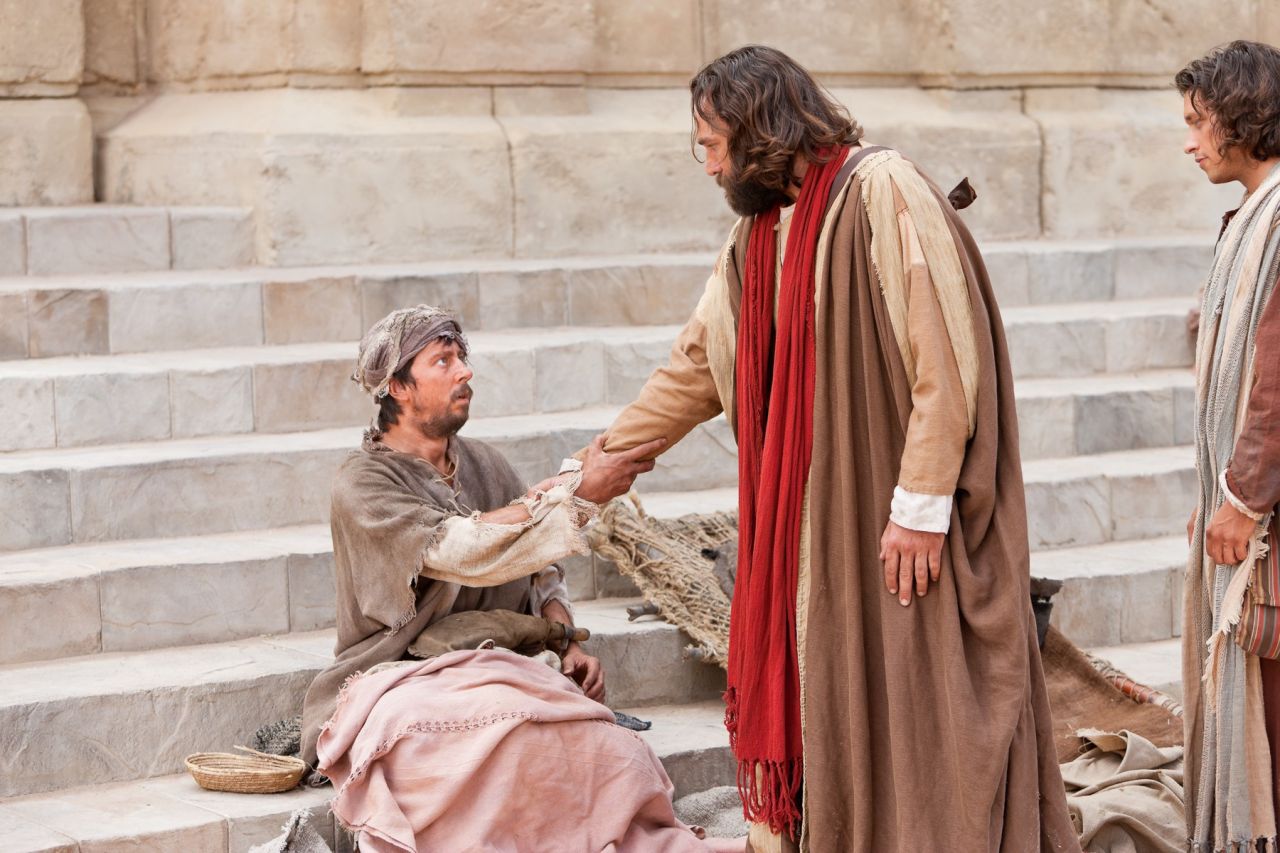
God has healed people that do not have faith such as in the biblical stories where the dead get raised. No arguments there. There are also people that did not have faith in Jesus and got healed, such as the lame man that John and Peter healed at the temple, if we understand the situation of the lame man. So, the answer is no, we do not always need faith because there is enough proof of that. I believe this happens when we are unbelievers or young believers, where God is showing us that He is real and does work miracles to help us believe in Him or to increase our faith. This was true also in the account of Moses when He took the people out of Egypt, however, God requires us to live by faith, and the longer we are Christians the more He will test and discipline us until we get to our purpose. If we remain disobedient, we generally suffer and complain which puts us in an unfavourable position until we, either fulfil our purpose of die complaining, just like the Israelites in the desert.
The answer is also yes, because Paul saw a man that had faith for healing, the woman who touched Jesus’s garment had faith for healing, etc. When someone has faith, it makes it easier for the person praying, but not always because the person being prayed for might not receive due to lack of faith in healing, or some bondage or unconfessed sin that they are in and thus their conscience (heart) prevents them from receiving. However, an anointed man of God may have enough faith to break through that unbelief or bondage in the sick person. My experience is that God heals, but sometimes it takes a little longer, and I found this to be when God wants to grow our faith, where sometimes sickness or poverty can be a leverage to motivate us into discipline and to get closer to Him, and when the time of preparedness is over, healing takes place. However, the final proof for me will be when I am totally healed of my illness though I have been healed on three prior occasions. The current one is pretty bad, and no doctor can heal me, only God and I trust Him.
What I truly believe based on my personal experience is this: As young Christians, when we do not have faith, God assists us in growing our faith by healing us and blessing us in various ways, either through prayer or through an anointed person, but as we mature in Christianity, God wants us to grow our faith through challenges from practical experiences so that we can gain the confidence to help others, because if He just sorted out everyone’s problems, we would not grow in the spirit and be expectant with a sense of entitlement, and not realise that God wants us to be His hands and feet because He gave us dominion over the earth. It’s almost like we prefer to give that dominion back, and it’s no wonder that the first humans did exactly that, but to satan. That’s why some of our children have this air of entitlement about them and expect everything on a plate and perform when they don’t get it. We have spoilt them thinking that we are doing good, like the “good” old communist system, but God proves us wrong.
Jesus came to show how it is done to an unbelieving nation, just as He does today when we lack faith, but God wants us to grow in faith and receive healing ourselves, instead of using others. This mean that God wants a relationship with us, but not everyone is aware of it so they might give up and accept their dilemma. Jesus did not come to earth to heal everyone, but to demonstrate what God required of us as future sons of God, and therefore He trained those that were interested so that they could pass it on and grow faith in the nation. The same is true of why Jesus only healed one man at the pool of Bethesda, to demonstrate to the others that God had come and that they should have faith. Of course, the one healed was the lucky one. If Jesus has to heal everyone in every place that He visited, He would not have been able to complete His mission in the 3 plus years of ministry on earth. Mankind is meant to have dominion on earth, and thus His purpose was to teach us that dominion through faith in Him, not do it all for us. Therefore, God does not interfere with our free will which brings about challenges, and its these challenges that God uses to increase our faith, and sometimes we require a little shove, whether it is through our illnesses or something else.
4. Is healing for today?
4.1 Arguments against healing for today
4.1.1 Different dispensations
Many people believe that healing only happened under certain dispensations, such as the dispensation of the law and the dispensation of grace. The concept of dispensations in the Bible refers to chronological periods in history where God interacts with humanity in different ways. Below are the seven dispensations commonly recognized:
- Innocence: This period is from the creation of Adam and Eve to their fall into sin. During this time, humans lived in a state of innocence and had direct fellowship with God. They were not governed by laws and were directed by God and therefore had no knowledge of good and evil, hence, their innocence.
- Conscience: After trying to understand and define good and evil to be like God, they fell from God’s grace, and were thereafter guided by their conscience, which helped them discern right from wrong. In essence, they created their own laws. This dispensation lasted until the Great Flood.
- Human Government: Following the flood, God established human government to maintain order and justice. This period includes the time from Noah to the Tower of Babel where people tried to govern themselves without God’s input as man is self-centered and proud. The Tower of Babel represents man’s pride and independence from God, just like Babylon was and what our World system is today.
- Promise: This dispensation began with God’s covenant with Abraham and continued through the lives of the patriarchs. It emphasized faith in God’s promises. Promises are seen in every dispensation to a greater or lesser extent.
- Law: Starting with the giving of the Law to Moses at Mount Sinai, this period focused on adherence to the Mosaic Law. It lasted until the crucifixion of Jesus Christ though people continue to walk in it even today.
- Grace: This was the Church Age, which we are still in, and began with the death and resurrection of Jesus. It emphasizes salvation by grace through faith in Jesus Christ and is still ongoing. This way of life and reconciliation of mankind to God is seen in no other religion and highlights the heart of God like nothing else and must be considered by all people that are serious about the true God.
- Millennial Kingdom: This future period will begin with the second coming of Christ and will last for 1,000 years. It will be a time of peace and righteousness under Christ’s reign.
Each dispensation highlights different aspects of God’s relationship with humanity and His unfolding plan of salvation. Though many issues overlap across dispensations, such as conscience, law, human government, it is believed that God only reveals certain aspects of His character and power based on these dispensations. As such, many believe that miracles and healing only took place under the dispensations of the law and grace, however, we need to split the dispensation of grace into three sub-dispensations of “Jesus, the first church, and second church” to make head or tail of what they mean with “healing does not take place today”. In other words, they believe that only Jesus and the first church, as recorded in the book of Acts, were the only “sub-dispensations” given the mandate to do miracles and healing, but no mandate was given for today even though we are in the same dispensation. This makes no sense because God is the same yesterday, today, and forever. In other words, we cannot say that God’s gift or anointing is based on dispensations and then split a dispensation further to prove that there are differences within a dispensation. Then it is not based on dispensations, or the dispensations were defined inaccurately. So, there is no reasonable argument for dispensations at present.
The truth is that in the first four dispensations, God allowed mankind to come to terms with their own conscience and associated actions to realise that they could not be perfected in behaviour as they lacked knowledge, ability, peace, and love without God, and that we can only truly do what’s right by change of heart through faith in God as He is the source of everything, as opposed to being driven by our own understanding of good and evil. This is because man’s standards and methods of moral living will always conflict across different groups of people due to varying beliefs, desires, and circumstances. The need therefore for miracles and healing was not necessary because the ownness was on mankind to sort themselves out. In other words, God would not interfere because he had to show man that they could not do it on their own. The fifth dispensation however, actually had some grace in it because God was trying to draw man to Himself by doing miracles to grow their faith, but even that failed due to mankind’s hard heart, and therefore God gave them laws to live by, and hence, the dispensation of the law also included the aspects of the dispensations of promise, government, and conscience. However, in the dispensation of promise, God did use Abraham to heal Abimelech even though God had not disclosed His redemptive names at the time, and healing was unknown of. This shows that God is not rigid in His interactions with man regarding dispensations, but rather does what has to be done to unfold a plan, based on the progress that has already taken place. Example, if all people today would follow Jesus to the letter, God would appear at His second appearance much quicker, however, God knows man’s hardness of heart and thus has a plan to draw Him to God so that His plan can be manifest at the desired time. This however does not mean that God removes healing after He introduced it, just as He did not remove the dispensations of innocence, promise, conscience, law, or government after He introduced them, i.e. when a dispensation is introduced, it remains or is inherited by the next dispensation, whether we apply it or not. The miracles done through Abraham in a dispensation where God did not reveal His redemptive names shows that God will do anything required for His purposes, and when He introduces something, He does not remove it until it is not needed, which will be when Jesus reappears because all things will be perfected.
4.1.2 Paul did not heal Timothy
1 Timothy 5:23 indicates that Paul did not heal Timothy, but does this prove that Paul lost his healing gift through the spirit? I do not think so because sometimes God waits for us to change our hearts for some purpose and therefore healing may take a little longer, or God may have desired that Timothy would walk more closely to God for his own healing and thus increase his faith as God could have wanted to use him more powerfully. The other fact is that a little wine for the stomach is not a bad condition, and Paul was probably far away and could not attend to him. But then why did Paul not send an anointed handkerchief? Handkerchiefs do not have hearts and thus do not hold onto the anointing for long, and the trip would probably be too long for the anointing to remain.
1 Timothy 5:23
“Drink no longer water, but use a little wine for thy stomach’s sake and thine often infirmities.
It is possible however that as we get older, we start to hand over things to those younger than ourselves and the opportunity for miracles starts to decline as we slow down our ministry. We also know that Paul spent many years in jail and thus his attention turned predominantly to ensuring that his followers/disciples remained committed regarding the message of salvation and managing the church in the right way. Once again, miracles are great, but we need to get closer to God to get our own miracles, and thus Paul was not there to ensure everyone got healed, but rather that they gain faith to receive healing themselves, just as Jesus did not heal everyone He came across.
4.1.3 Paul left Titus sick in Miletus
In 2 Timothy 4:20 Paul states that he left Titus sick in Miletus indicating that he did not have the anointing. This could however be because Paul did not have the time to visit him, or have access to him, because he was going to prison, or God could be working to increase Titus’s faith, just like Timothy and not allowed Paul to approach him. Can we lose our anointing? The anointing always resides in believers but there are conditions that interfere with the anointing, such as sin or mental issues, and Paul could have been mindful of his distress in prison that prevented the anointing from flowing, but I doubt it. Read previous chapter to see other issues that may also applied to Timothy.
2 Timothy 4:20
Erastus abode at Corinth: but Trophimus have I left at Miletum sick.
4.2 Arguments for healing for today
4.2.1 Abraham prayed and healed therefore all dispensations healed
In Genesis 20:17 Abraham prayed for Abimelech and members of his household got healed. This is the only healing in the dispensation of promise proving that God heals at any time.
Genesis 20:17
So Abraham prayed unto God: and God healed Abimelech, and his wife, and his maidservants; and they bare children.
4.2.2 Moses and prophets healed without the indwelling spirit
If God allowed men of the law that had a fading glory, to heal or to perform miracles, why is it that in the dispensation of grace believers cannot heal when they have the Holy Spirit dwelling in them? Makes no sense if God is the same yesterday, today, and forever. I understand that God created great miracles through Moses because they had a need for faith to grow, therefore God led them in a way for those miracles to take place. Today, those kinds of miracles are not needed because we have transport and food for Africa, like they say. We do however need things like healing, deliverance, or favour for a job, therefore why would God stop miracles?
4.2.3 Jesus healed
This goes without saying because Jesus is God and healing comes naturally, or should I say spiritually.
4.2.4 The apostles healed
Just read the book of Acts and see why the apostles healed, they had the same spirit that raised Jesus from the dead and so do true believers today. If we have the same spirit, we have the same power. Is it possible however that we are more spoilt for choice these days and thus our comfortable lives prevent us from getting anointed like in the first church? I believe so.
4.3 Scriptures that prove healing is for today
Every miracle in the New Testament proves that we have healing today because the same spirit that raised Jesus from the dead dwells in mankind. The fact that most churches do not perform miracles does not prove otherwise. Just see the corruption taking place today and we will realise the problem is that we are a lackadaisical people.
4.3.1 The tree of life
In Revelation 2:7 Jesus will permit those that conquer regarding falling away from loving Him to eat from the “tree of life”. Note, those that conquer are not those that are already in heaven, but those that conquer are here on earth and therefore the tree of life is available to believers in this dark world. The rapture has not taken place, and that church no longer exists, therefore, Jesus was offering them to eat from the tree of life in this dark environment of ours because He has already opened the heavens for us today. The tree of life can be understood in Revelation 22:1-5 as the Christ which provides the crops for each month of the year and the healing of the nations. The crops that are produced each month of the year is essentially the 9 fruits of the Holy Spirit as love, joy, peace, kindness, goodness, faithfulness, gentleness, patience, and self-control recorded in Galatians 5:22-23. This shows that those who continue in God’s love, faith, etc, will be healed. Originally, the “tree of life” in Genesis was the Christ given to mankind in Eden (Kingdom of Heaven) before the fall, and Jesus Christ reintroduced the “tree of life” after His crucifixion on a tree to give us this life in the Kingdom of Heaven. The longer we walk our Christian life, the closer we are expected to walk with the Spirit of God, and thus, healing will take place because faith will increase, however, when Jesus appears the second time, the tree of life will operate in our lives permanently, and we will have glorious bodies that do not perish or die. Obviously, an anointed person in this life will also be able to heal someone that has little faith, but God desires that each person have a relationship with Him for personal healing and other anointings.
Revelation 2:7
He that hath an ear, let him hear what the Spirit saith unto the churches; To him that overcometh will I give to eat of the tree of life, which is in the midst of the paradise of God.
Revelation 22:1-5
1 And he shewed me a pure river of water of life, clear as crystal, proceeding out of the throne of God and of the Lamb.
2 In the midst of the street of it, and on either side of the river, was there the tree of life, which bare twelve manner of fruits, and yielded her fruit every month: and the leaves of the tree were for the healing of the nations.
3 And there shall be no more curse: but the throne of God and of the Lamb shall be in it; and his servants shall serve him:
4 And they shall see his face; and his name shall be in their foreheads.
5 And there shall be no night there; and they need no candle, neither light of the sun; for the Lord God giveth them light: and they shall reign for ever and ever.
Galatians 5:22-23
22 But the fruit of the Spirit is love, joy, peace, longsuffering, gentleness, goodness, faith,
23 Meekness, temperance: against such there is no law.
4.3.2 God is the same yesterday, today, and forever
The fact that God is the same yesterday, today, and forever, indicates that God will always be the healer, and everything else, for human beings. The fact that He did not use anyone to heal in the first 4 dispensations was because it would deviate from His purpose to allow mankind to test their character based on free will. Had He not done that, there would be no literature to prove otherwise. When mankind has not been tested for something, they complain and argue that they would have been able to achieve that something, just like the Israelite thought that they could fulfil the law, but now mankind cannot argue because there is a record of our inability to govern independently of God through laws. God did however use Abraham to heal Abimelech which proves that, if required, God uses His power in any dispensation and still does.
Jesus Christ the same yesterday, and to day, and for ever.
4.3.3 The snake of a pole
The story of Moses and the disobedience of the Israelites brought many troubles in the wilderness and one of them was when God gave them snakes to destroy them. Moses was then instructed to make a pole and place a serpent made of brass on it so that the Israelites could look at it and get healed Numbers 21:4-9. This symbolised Jesus on the cross that brought healing to us. If it symbolises Jesus on the cross, why would it only be for the first church and not for all periods thereafter, for those who believe in Jesus? Did Jesus remove the cross’s power after the first church? Makes no sense, because it means that God’s finished works of the cross are over. If so, then salvation is also over because there is no more redemption, where God’s redemptive names are: Jehovah Jireh=Provider, Nissi=Banner or Victory, Rapha=Healer, Raha=Shepherd, Shalom=Peace, Shammah=Presence or the Lord is there, Tsidkenu=Righteousness.
Dispensationalists cannot use the dispensation of grace to prove their point because we are still in the dispensation of grace, or they must change the dispensation periods. If they do, they will only do it to prove their point but must recognise that they were wrong on how they mapped out the dispensations, and then how can we trust whether their dispensation periods were done with the assistance of God. I believe that the only time when the cross is not needed is when we are in heaven because we will have the Tree of Life always with us (Christ), and we have Him today.
Numbers 21:4-9
4 And they journeyed from mount Hor by the way of the Red sea, to compass the land of Edom: and the soul of the people was much discouraged because of the way.
5 And the people spake against God, and against Moses, Wherefore have ye brought us up out of Egypt to die in the wilderness? for there is no bread, neither is there any water; and our soul loatheth this light bread.
6 And the LORD sent fiery serpents among the people, and they bit the people; and much people of Israel died.
7 Therefore the people came to Moses, and said, We have sinned, for we have spoken against the LORD, and against thee; pray unto the LORD, that he take away the serpents from us. And Moses prayed for the people.
8 And the LORD said unto Moses, Make thee a fiery serpent, and set it upon a pole: and it shall come to pass, that every one that is bitten, when he looketh upon it, shall live.
9 And Moses made a serpent of brass, and put it upon a pole, and it came to pass, that if a serpent had bitten any man, when he beheld the serpent of brass, he lived.